Sunscreen

The best mineral sunscreens, ranked on the one shelf where percentages are compulsory

Sunscreen is regulated as a drug, so every filter percentage is printed by law. Six products, filter loads from 10% to 21%, and exactly one that helps you measure a dose.

Prices and ingredient lists checked 2026-08-08. Every figure below is computed from the label facts in each product record, not copied from a brand's marketing.

How we scored

  1. 25 dose support Whether anything in the pack or the directions helps a buyer apply the amount the SPF number was tested at.
  2. 20 publishes pct Whether the active percentages are stated. On this shelf the law requires it, which is exactly why the category is worth studying.
  3. 20 filter load The total mineral filter percentage and how it is split between zinc oxide and titanium dioxide.
  4. 20 wearability Finish, cast and texture, which decide whether a person reapplies or quietly stops.
  5. 15 cost Price per millilitre or per gram, computed from the published pack size.

Weights sum to 100. A brand that publishes no concentration scores zero on that axis whatever else it does well, because an unstated strength cannot be checked.

This is the one shelf in skincare where every product publishes its active percentages, and it is worth being clear about why. Sunscreen is regulated as an over-the-counter drug in the United States, so the filter names and their percentages sit on a Drug Facts panel because the law puts them there. The same brands that publish an exact 17.42% on a sunscreen publish nothing at all on a cosmetic serum from the same catalogue.

That transparency makes the category easy to compare and exposes a different problem. The SPF number on the front is a test result at a fixed application thickness that almost nobody reaches in practice, and only one product in this set does anything to close that gap.

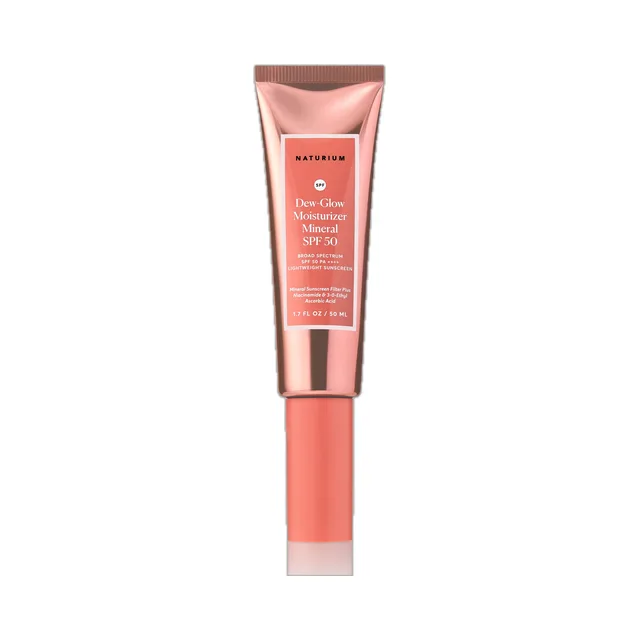
  1. Naturium Dew-Glow Moisturizer Mineral SPF 50, the brand's own product photograph 01 Naturium
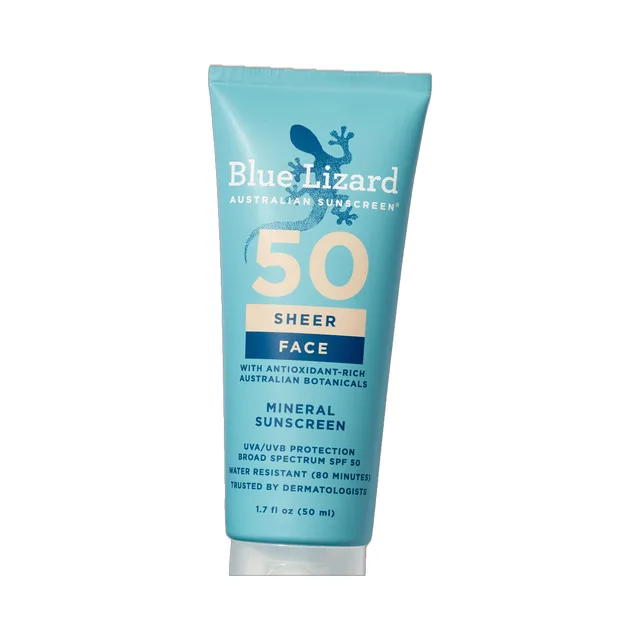
  2. Blue Lizard Sheer Face Mineral SPF 50 Sunscreen Lotion, the brand's own product photograph 02 Blue Lizard
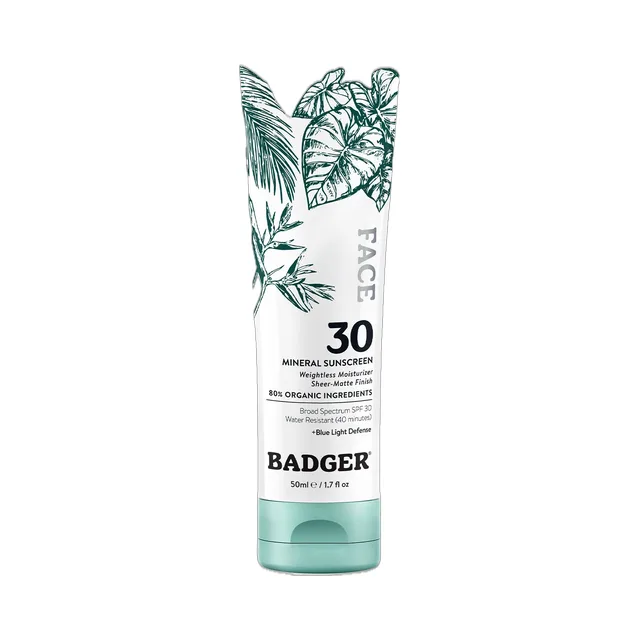
  3. Badger Face Mineral Sunscreen SPF 30, the brand's own product photograph 03 Badger
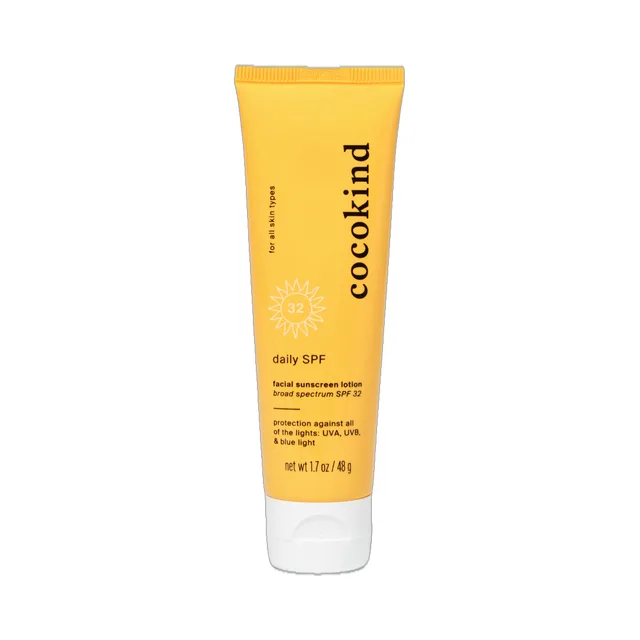
  4. Cocokind Daily SPF 32, the brand's own product photograph 04 Cocokind
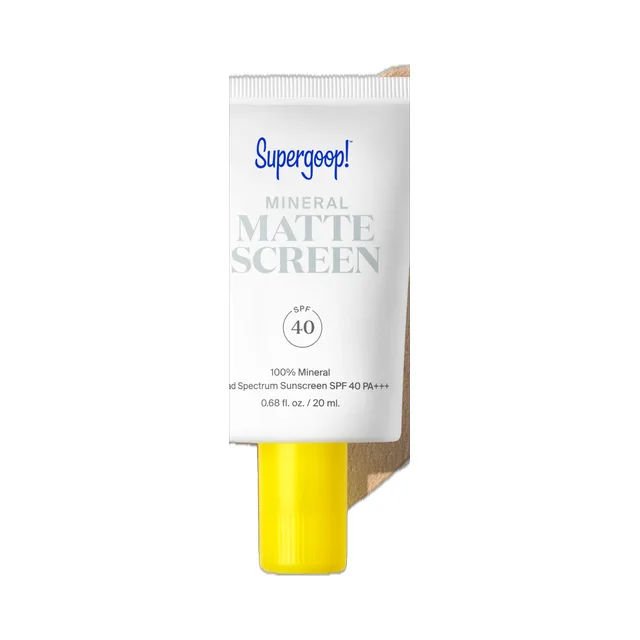
  5. Supergoop! Mineral Mattescreen SPF 40, the brand's own product photograph 05 Supergoop!
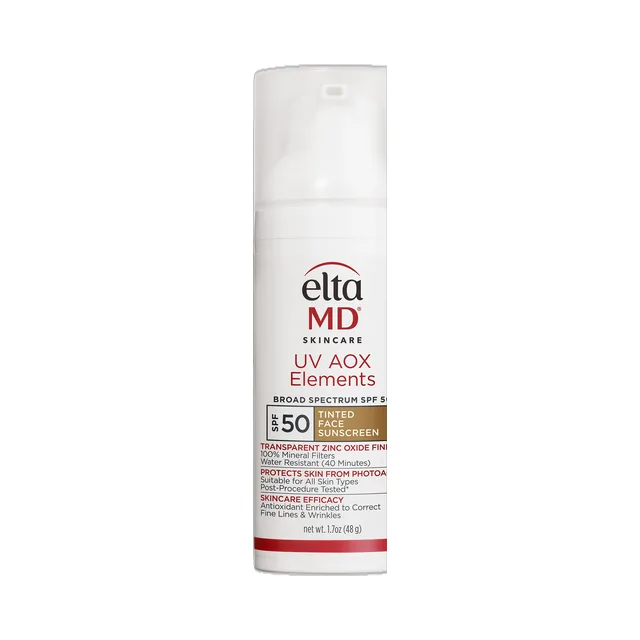
  6. EltaMD UV AOX Elements Broad Spectrum SPF 50, the brand's own product photograph 06 EltaMD
Every shot is the brand's own product photograph, from the page each entry cites. They are scaled to fit a common frame, so they do not show the products at their real sizes relative to each other. The size column in the table does that.
The short version
Product Stated strength Form Size Price Cost per mL or g Cost per use Score
1. Naturium Dew-Glow Moisturizer Mineral SPF 50 10%zinc oxide 10% in a moisturizer base50 ml$23.00$0.46/mlNot computable84
2. Blue Lizard Sheer Face Mineral SPF 50 Sunscreen Lotion 10%sheer mineral, zinc oxide 10% and titanium dioxide 8%48 g$15.99$0.33/gNot computable75
3. Badger Face Mineral Sunscreen SPF 30 18.75%uncoated non-nano zinc oxide 18.75%50 ml$22.99$0.46/mlNot computable69.5
4. Cocokind Daily SPF 32 21%non-nano zinc oxide 21%48 g$25.00$0.52/gNot computable68
5. Supergoop! Mineral Mattescreen SPF 40 17.42%mattifying mineral, zinc oxide 17.42% and titanium dioxide 1.33%44 ml$40.00$0.91/mlNot computable67
6. EltaMD UV AOX Elements Broad Spectrum SPF 50 13.5%tinted mineral, zinc oxide 13.5% and titanium dioxide 4.4%48 g$46.00$0.96/gNot computable62.3

01 Top pick Score 84

Naturium Dew-Glow Moisturizer Mineral SPF 50

The only product in any of our three rankings that ships a way to measure its own dose, in the one category where the dose is the whole ballgame.

zinc oxide

SPF is measured at two milligrams of product per square centimetre of skin, and application studies find people routinely apply a fraction of that. Every brand knows this. One of them did something about it. The dip cap on this bottle exists to let a buyer measure the sunscreen dose, and the directions say so plainly. The filter load is modest at 10% zinc oxide, the lowest here, and it still takes the ranking because a quarter of the score is dose support and it is the only entry that scores anything much on it. At $0.46 per millilitre it is also joint cheapest per unit in the set.

Holds up

  • A dip cap intended to measure the dose, the only dose engineering in the set
  • Joint cheapest per millilitre here
  • Moisturizer base, so it can replace a step rather than add one
  • Zinc oxide 10% stated on the Drug Facts panel

Does not

  • Lowest filter load in the ranking
  • Zinc only, no titanium dioxide alongside it

Source 1

02 Best value Score 75

Blue Lizard Sheer Face Mineral SPF 50 Sunscreen Lotion

Eighteen per cent combined filters at $0.33 per gram, which is less than half what the next-best-loaded product costs.

zinc oxide titanium dioxide

Zinc oxide 10% and titanium dioxide 8% is the highest combined mineral load in this set that is not a single-filter formula, and the two filters cover slightly different parts of the UVA range, which is the argument for pairing them. The price is the story though. At $15.99 for the tube it works out at $0.33 per gram, cheapest here, against $0.96 for the EltaMD. Directions are the standard liberal application with no measuring help, like everything except the top pick.

Holds up

  • Combined 18% filter load across both minerals
  • Cheapest per gram in the ranking
  • Face-specific formula rather than a body lotion in a small tube

Does not

  • No dose support beyond apply liberally
  • Titanium dioxide at 8% means more cast than the tinted options

Source 1

03 Score 69.5

Badger Face Mineral Sunscreen SPF 30

The highest single-filter percentage in the set at the lowest SPF, which is a formulation trade rather than a contradiction.

zinc oxide

Zinc oxide 18.75%, uncoated and non-nano, in a short plant-oil base, at SPF 30. A high filter load does not translate directly into a high SPF, because dispersion and film formation decide how evenly that zinc sits on skin, and an uncoated non-nano particle is harder to spread thin and even than a coated one. This is the most transparent formula here and among the heaviest to wear, and both facts come from the same decision. At $0.46 per millilitre it is joint cheapest per unit.

Holds up

  • Zinc oxide 18.75%, highest single-filter load here
  • Short, legible ingredient list
  • Joint cheapest per millilitre

Does not

  • SPF 30, lowest number in the set despite the highest zinc figure
  • Uncoated non-nano zinc is the heaviest wear here
  • No dose support

Source 1

04 Score 68

Cocokind Daily SPF 32

Twenty-one per cent zinc oxide, the highest filter figure anywhere in this ranking, in the plainest formula.

zinc oxide

A single filter at 21% is as loaded as mineral sunscreen gets on a United States shelf. That buys broad coverage from one ingredient and costs wearability, because there is no titanium dioxide or tint to offset the cast and no silicone-heavy base to thin the film. At $0.52 per gram it sits mid-set on price. Directions are the standard last-step-of-the-morning instruction with nothing to help a buyer get the thickness right.

Holds up

  • Zinc oxide 21%, the highest filter percentage in the ranking
  • Single-filter formula, so nothing to unpick
  • Mid-set on price per gram

Does not

  • Cast, with no tint or titanium dioxide to offset it
  • SPF 32, so the high load is not buying a high number
  • No dose support

Source 1

05 Score 67

Supergoop! Mineral Mattescreen SPF 40

The most wearable finish here, bought with dimethicone at the top of the inactive list and the second highest price per millilitre.

zinc oxide titanium dioxide

Zinc oxide 17.42% and titanium dioxide 1.33% is an unusual split: almost all the work is zinc, with a token amount of titanium. Dimethicone and dimethicone crosspolymer lead the inactive list, which is exactly where a matte, poreless finish comes from, and iron oxides in the tinted shades add visible light coverage that no SPF number describes. At $0.91 per millilitre it is expensive, and the 1.5 fluid ounce bottle is the smallest in the set.

Holds up

  • Highest wearability here, matte finish that survives a working day
  • Combined 18.75% filter load, mostly zinc
  • Tinted shades carry iron oxides

Does not

  • $0.91 per millilitre, second most expensive
  • Silicone-led base will not suit everyone
  • No dose support

Source 1

06 Score 62.3

EltaMD UV AOX Elements Broad Spectrum SPF 50

A well built tinted mineral at $0.96 per gram, which is three times what an equally well filtered competitor here charges.

zinc oxide titanium dioxide

Zinc oxide 13.5% with titanium dioxide 4.4% is a sensible split, the tint is useful, and the antioxidants are a real inclusion rather than a dusting. The problem is the column on the right. At $46 for 48 grams this is the most expensive product in the ranking per unit by a wide margin, and the Blue Lizard entry above delivers a higher combined filter load for a third of the price. Price is only 15 points of this rubric, which is why it still finishes respectably rather than last.

Holds up

  • Balanced 17.9% combined filter load across both minerals
  • Tinted, which helps with both cast and visible light
  • Antioxidants included at a meaningful position on the list

Does not

  • $0.96 per gram, the most expensive here
  • No dose support beyond the standard instruction
  • Tint limits shade range

Source 1

What we left out, and why

  • First Aid Beauty Ultra Light Liquid Mineral Sunscreen SPF 30. The brand's product page states the price but not the pack size, so cost per unit cannot be computed and the product cannot be compared on the axis worth 15 points here. It returns to the ranking when the size is published.
  • Blue Lizard Sensitive Mineral SPF 50 Lotion. The brand's store lists one price, $14.99, against both a 3 ounce and a 5 ounce size on the same product. Until one price maps to one size, a cost per gram for this product would be a coin toss rather than a calculation.

Questions readers send us

Why does the product with the lowest filter percentage win?
Because a quarter of the score is whether anything helps you apply the amount the SPF was tested at, and this is the only product in the set that ships a measuring aid. Filter load is worth 20 points. Dose support is worth 25, and almost nobody competes for it.
Does a higher zinc percentage mean a higher SPF?
No. The set here disproves it on its own: the 18.75% zinc product is SPF 30 and the 10% zinc product is SPF 50. Dispersion, film formation and the rest of the base decide how evenly the filter sits on skin.
Why is every percentage in this ranking published, when almost none are in our other rankings?
Because sunscreen is regulated as an over-the-counter drug in the United States and the active ingredients and their percentages must appear on a Drug Facts panel. The same brands publish nothing on their cosmetic serums. The difference is the rule book, not the company.
Is mineral better than chemical?
This ranking does not make that argument. It covers mineral sunscreens because they are a coherent category to compare on filter percentage. A well formulated organic filter sunscreen is not disqualified by anything here.

References

  1. US FDA. Sunscreen drug products for over-the-counter human use, 21 CFR 352Accessed 2026-08-08
  2. Petersen B, Wulf HC. Application of sunscreen: theory and reality. Photodermatol Photoimmunol Photomed, 2014Accessed 2026-08-08
  3. Schneider SL, Lim HW. A review of inorganic UV filters zinc oxide and titanium dioxide. Photodermatol Photoimmunol Photomed, 2019Accessed 2026-08-08